
Obesity is a chronic medical condition that affects millions of people worldwide and significantly impacts overall health, confidence, and quality of life. More than just excess weight, obesity is linked to hormonal imbalance, metabolic changes, insulin resistance, and increased risks of diabetes, heart disease, and joint problems. Many individuals struggle to lose weight on their own due to biological and lifestyle factors that make long-term success challenging.
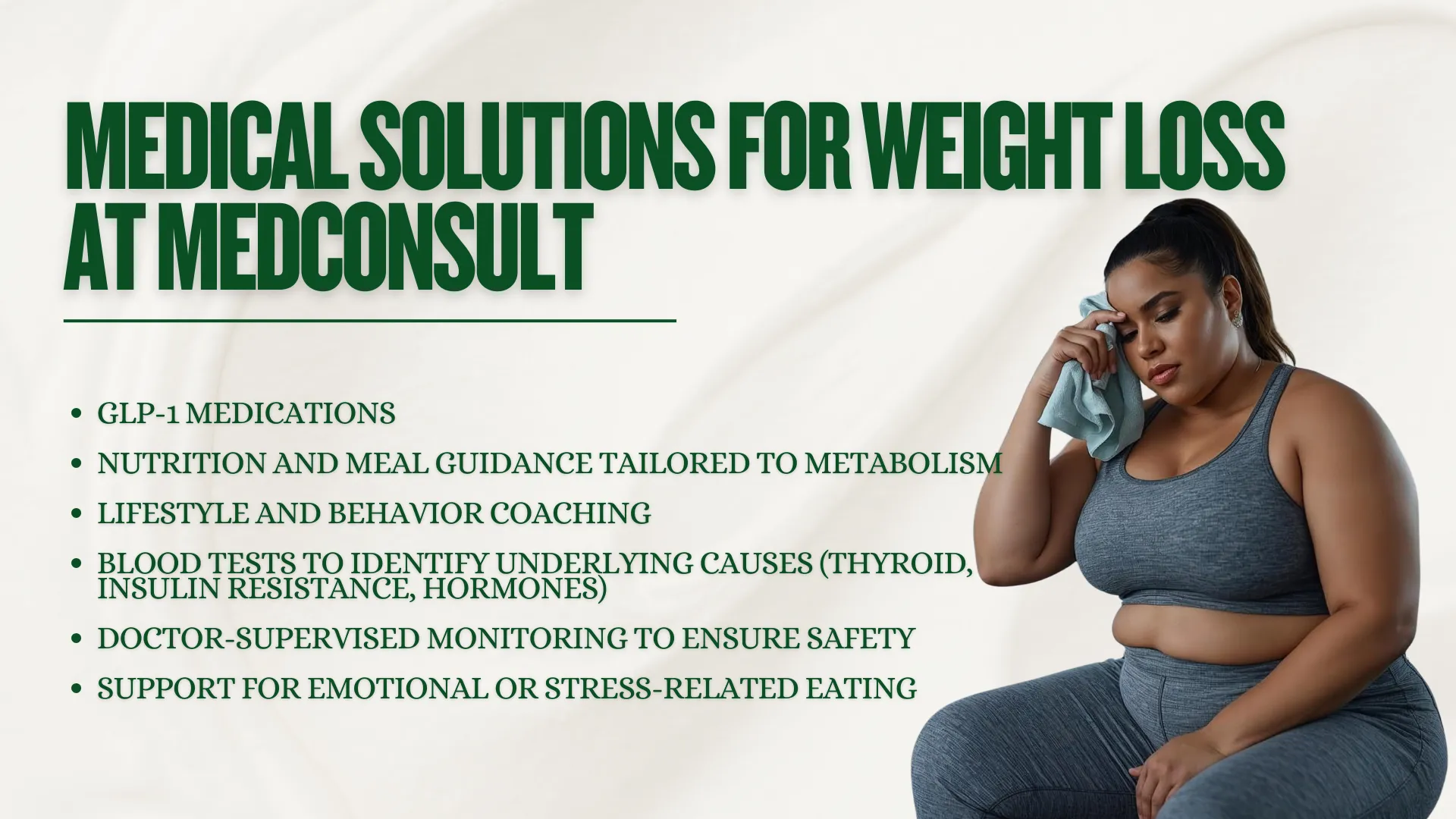
At MedConsult Clinic in Bangkok, our doctors provide a medically supervised approach to weight management. We assess the root causes of obesity and develop personalized treatment plans using evidence-based methods, including GLP-1 medications like Ozempic and Saxenda, nutritional guidance, lifestyle modification, and close follow-up. With the right support, sustainable weight loss is achievable and we are here to help you improve your health safely and effectively.
What Is Obesity?
Obesity is defined as an excessive accumulation of body fat that poses risks to health. It is commonly assessed using the Body Mass Index (BMI):
BMI 25.0–29.9: Overweight
BMI ≥ 30.0: Obesity
While BMI is widely used, medical providers may also assess:
Body fat percentage
Waist circumference (central obesity risk)
Waist-to-hip ratio
Metabolic markers (e.g., blood sugar, cholesterol, liver function)
These measurements give a more complete picture of potential health risks.
Health Risks Associated With Obesity
Obesity has a direct impact on nearly every major body system. It is considered one of the leading preventable causes of chronic illnesses.
Metabolic and Cardiovascular Diseases
Excess fat — especially around the abdomen — increases the risk of:
Type 2 diabetes
High blood pressure
High cholesterol
Heart disease
Stroke
Metabolic syndrome
These conditions often develop silently over many years.
Liver and Kidney Problems
Obesity is a major contributor to:
Non-alcoholic fatty liver disease (NAFLD)
Non-alcoholic steatohepatitis (NASH)
Increased risk of chronic kidney disease
Respiratory and Sleep Disorders
Many individuals with obesity experience:
Sleep apnea
Poor sleep quality
Shortness of breath
Fatigue
Poor sleep further disrupts hormones and appetite regulation.
Musculoskeletal Issues
Excess weight puts stress on joints, leading to:
Knee and hip pain
Lower back pain
Early osteoarthritis
Increased Cancer Risk
Research shows that obesity increases the likelihood of developing certain cancers, including:
Breast cancer
Colon cancer
Pancreatic cancer
Endometrial cancer
Mental & Emotional Impact
Obesity can influence:
Self-esteem
Social confidence
Anxiety or depression
Reduced energy and quality of life
It’s important to view obesity as a health condition — not a personal failing.
What Causes Obesity?
Obesity is complex and multifactorial. It rarely stems from a single cause.
1. Lifestyle and Diet
High-calorie foods
Sugary drinks
Processed foods
Irregular meal patterns
Sedentary lifestyle
Long hours of sitting (common in office jobs)
2. Biological and Metabolic Factors
Genetics
Slow metabolism
Hormonal imbalance
Insulin resistance
Thyroid disorders
Side effects of certain medications
3. Psychological Factors
Stress or emotional eating
Sleep deprivation
Depression or anxiety
History of trauma
Mental health plays a crucial role in appetite, motivation, and long-term weight management.
4. Environmental Factors (Especially in Big Cities)
Common influences in Bangkok include:
Convenience foods everywhere
High stress work culture
Limited time for exercise
Nightlife and late dinners
Urban noise affecting sleep quality
5. Medical Causes
Certain medical conditions can lead to weight gain:
PCOS
Hypothyroidism
Cushing’s syndrome
Chronic pain limiting movement
How to Know If You’re at Risk
You may be experiencing obesity or pre-obesity if you notice:
Increasing waist circumference
Low energy despite sleeping
Sugar cravings
Shortness of breath with mild activity
Difficulty losing weight despite effort
Irregular menstruation (in women)
High blood pressure or cholesterol
Liver function abnormalities
Managing Obesity – Evidence-Based Approaches
Managing obesity is not about extreme dieting or rapid weight loss. It is about long-term changes that support metabolic health and sustainable improvement.
1. Dietary Adjustments
Eating whole foods
Reducing added sugar
Increasing fiber and protein intake
Portion control
Avoiding emotional eating triggers
2. Exercise and Movement
Regular activity improves:
Metabolism
Blood sugar control
Heart health
Mood and sleep
Even simple movements (walking, taking stairs) make a difference.
3. Sleep & Stress Regulation
Poor sleep increases appetite hormones and cravings.
Stress raises cortisol, making the body store more fat.
Practices such as:
Regular sleep schedule
Reducing caffeine
Breathing techniques
Mindfulness
can support weight control.
4. Medical Evaluation
A doctor may assess:
Thyroid function
Blood sugar
Hormones
Vitamin deficiencies
Liver and kidney health
Addressing underlying issues improves weight outcomes.
5. Behaviour Modification & Counselling
Understanding emotional triggers behind eating habits is essential.
6. Structured Weight-Loss Programs
For individuals who want guided support — especially those who have tried to lose weight on their own without success — a structured medical program can help.
This may include:
Medical supervision
Nutritional planning
Medication (if suitable)
Regular follow-ups
Behavioural coaching
Obesity in Bangkok – Local Lifestyle Factors
Living in Bangkok brings unique weight-related challenges:
Heavy traffic limiting active time
Delivery food culture
High-calorie street food
Long working hours
Late-night meals
Hot weather discouraging outdoor exercise
Understanding these factors helps people build realistic, sustainable health routines.
When Should You Seek Professional Help?
You may benefit from professional evaluation if:
BMI is in the overweight or obesity range
Waist size is above healthy limits
You have prediabetes or high cholesterol
You frequently feel tired or sluggish
Lifestyle changes alone are not enough
You gain weight easily or lose weight slowly
Emotional eating or stress affects eating patterns
Professionals can help identify what is causing the weight gain — rather than assuming it’s only about “eating too much.”
Doctor’s Profile
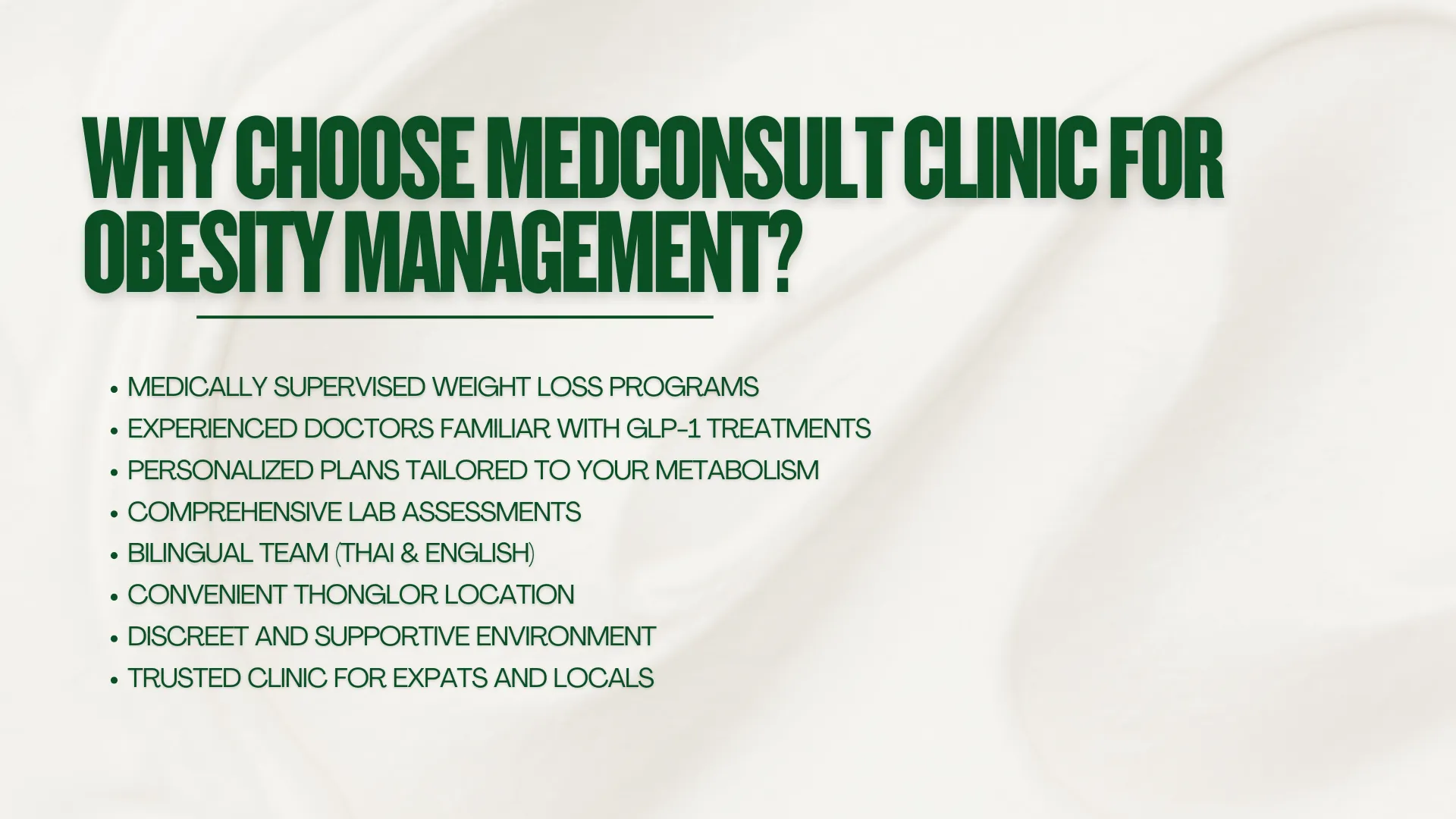
Dr. Donna Robinson, Medical Director and British GP, has over 20 years of experience in diagnosing and treating chronic conditions including obesity, diabetes risk, and metabolic issues. She provides a holistic approach to weight management, focusing on safe and medically appropriate treatment plans.
Dr. Pui, our psychiatrist, also supports patients whose weight challenges are linked to stress, emotional eating, anxiety, or depression. Her integrative approach helps patients address the mental and emotional components of obesity, leading to more sustainable long-term results.
Final Thoughts
Obesity is a medical condition influenced by multiple factors — not a matter of willpower. Understanding the underlying causes, receiving proper assessment, and making gradual changes can significantly reduce long-term health risks.
If you have struggled with weight management, slow metabolism, cravings, or repeated unsuccessful attempts to lose weight, seeking structured guidance can make the process smoother and more effective.
Frequently Asked Questions (FAQs)
Is obesity just about appearance?
No. Obesity is a medical condition involving excess fat accumulation and increased health risks.
Is BMI an accurate measurement?
BMI is a screening tool, not a perfect measure. Body composition, waist size, and metabolic health also matter.
Can obesity be caused by hormones?
Yes. Thyroid disorders, PCOS, menopause, and cortisol imbalance can all contribute.
Why do some people gain weight even when eating “normally”?
Metabolic rate, genetics, stress, poor sleep, and certain medications all play a role.
Learn More About Medical Weight-Loss Options
For individuals who want a more guided and structured approach to weight reduction — including medical assessment, personalised recommendations, and strategic weight-management methods — you can explore MedConsult’s dedicated Weight-Loss Program page here: